

A Better Harvest Begins Not with a Seed, but with Timely Information
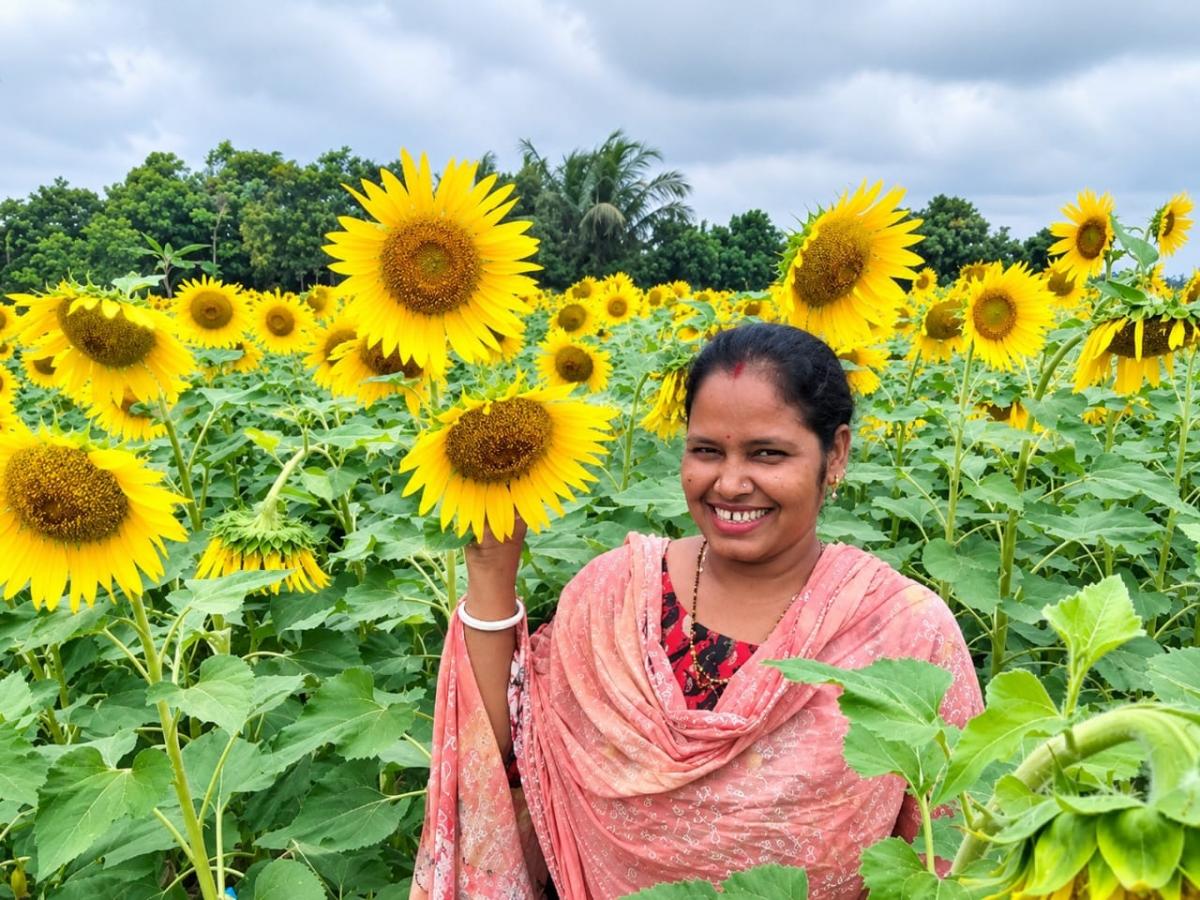
In Mohipur village of Mohipur Union, Kalapara, Patuakhali, farming is never separate from the weather. In a coastal community exposed to cyclones, tidal surges, salinity and heavy rainfall, a sudden change in weather can quickly threaten crops, income and food security. For 35-year-old Monika Rani, who supports her father in farming while caring for her own family, agriculture has always been part of life. But today, she is learning to make farming decisions not only from experience, but also from timely weather information.
This change began when JAGO NARI established the Argo-met Forecast Application for Risk and Resource Management (FARRM) School in Mohipur Union under the Child Centered Anticipatory Action project, with support from Save the Children, technical assistance from RIMES and funding from the German Federal Foreign Office. The FARRM School brought together 25 local farmers to learn how weather information and agricultural advice can support climate resilient farming. Monika became a member of the Yusufpur FARRM School in November 2024.
Since then, Monika has regularly participated in the sessions and learned from agricultural extension officers about crop selection, planting time, cultivation practices, pest and disease management and other ways to reduce climate related risks. She also receives weather information through JAGO NARI’s voice messages via mobile calls, helping her stay informed about rainfall and other weather conditions. In addition, she checks the Bangladesh Agricultural and Meteorological Information System (BAMIS) portal on her mobile phone and uses the information to plan activities in her field.
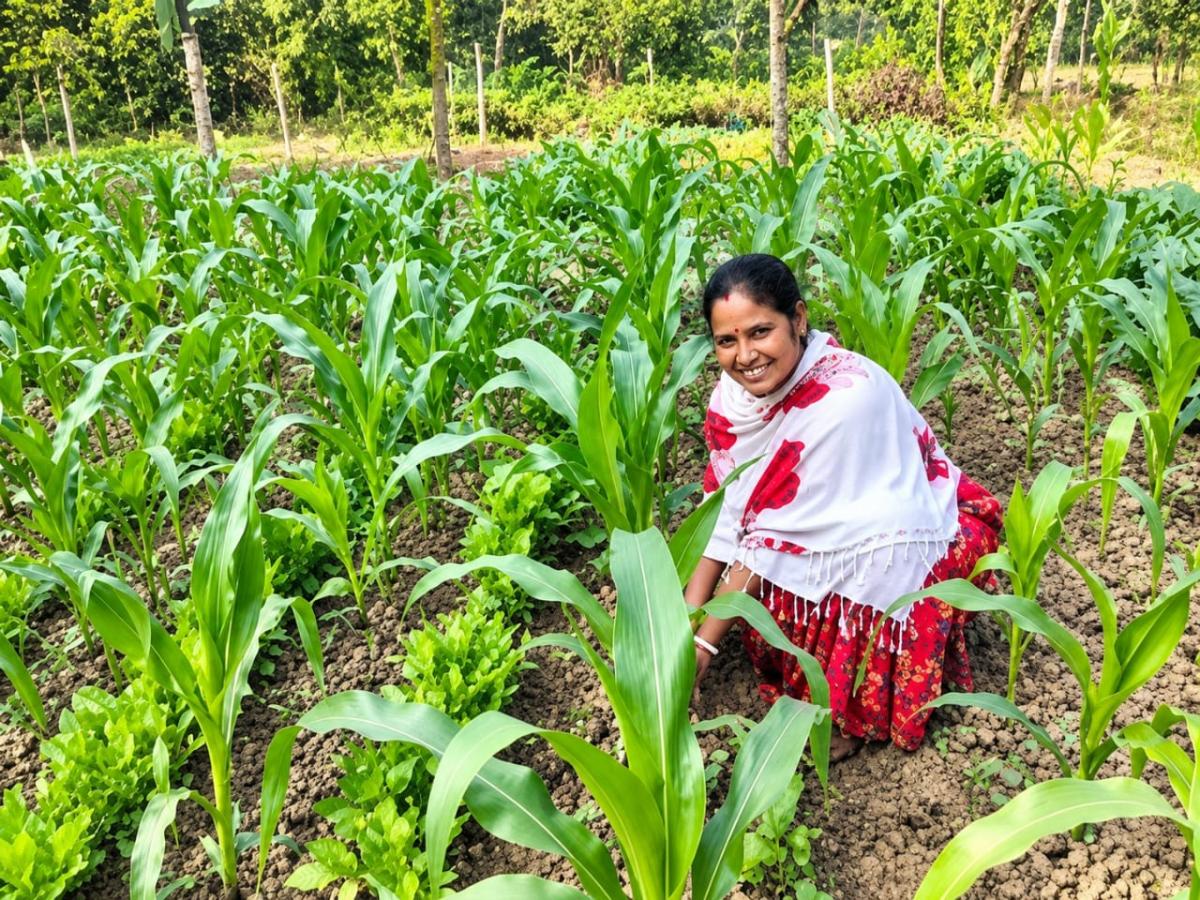
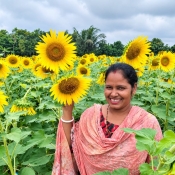
The knowledge is already producing results. On around 10 decimals of land, Monika grows vegetables for her family’s nutrition and sells the surplus to support household expenses. Following agricultural advice, she planted winter vegetable seeds and achieved full germination. She also cultivated sunflower on 20 decimals of land and earned around BDT 20,000 from its sale. Her connection with agricultural services has also strengthened through the project. With technical guidance and support from the local agricultural office, she has started producing vermicompost, using part of it in her own fields and selling the rest to other farmers.
”We cannot continue farming in the same way we have always done. To remain resilient in changing conditions, we have to change our farming strategies. The FARRM School is helping us learn and apply these strategies. The inputs are useful, but the knowledge and skills we are gaining are our greatest achievement. This learning will stay with us.”
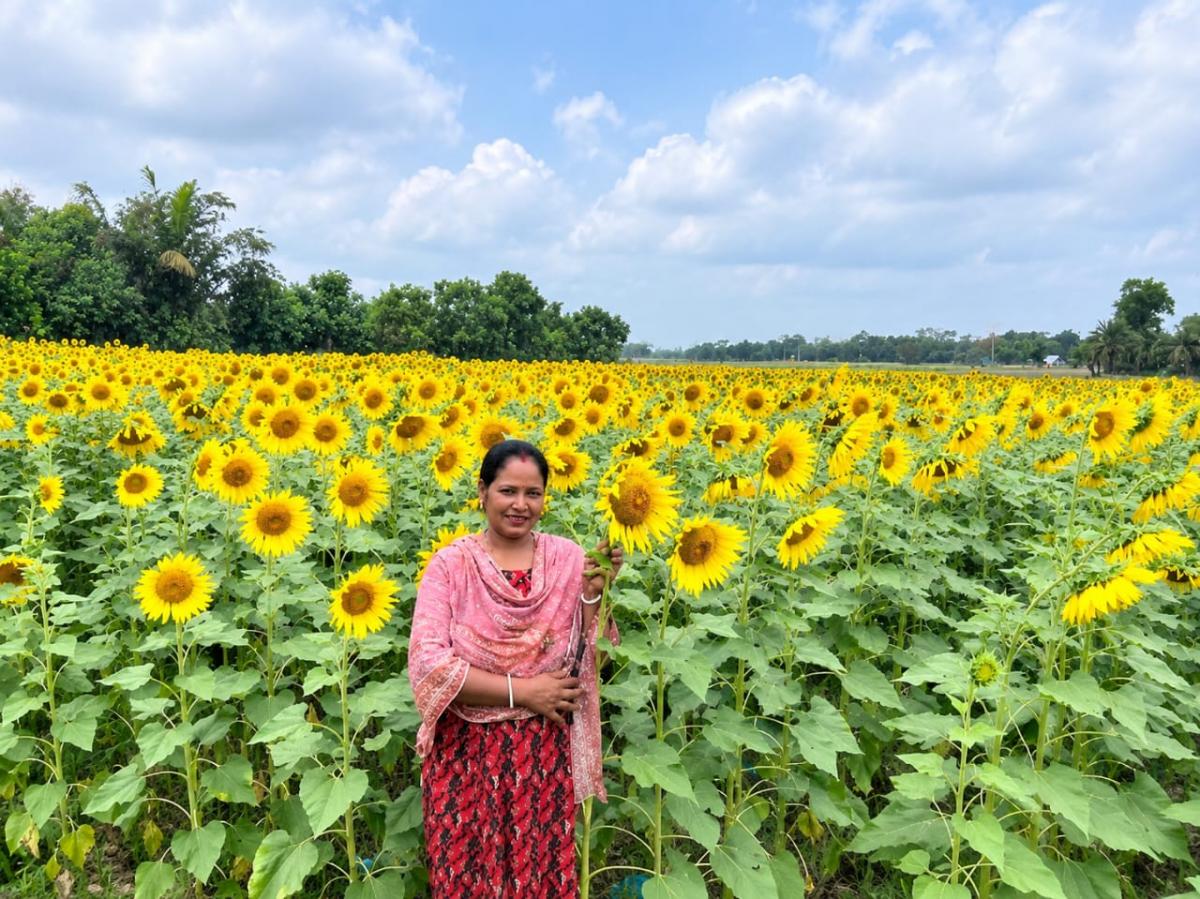
Monika’s experience is also beginning to influence other farmers in her community. She shares the knowledge gained from the FARRM School and encourages others to pay attention to weather information before making farming decisions. For her, the most important change is the confidence to act with better information rather than simply wait for the weather to determine the outcome.
”Earlier, we depended mostly on our own experience. Now we can receive weather information through mobile calls and check BAMIS on our phones, then plan our farming accordingly. I hope FARRM Schools continue in our union and reach more farmers, especially women farmers, so that we can benefit from practical knowledge and modern farming practices.”
Monika’s journey shows how timely climate information can travel from a forecast to a farmer’s mobile phone, and from the phone to the field, helping transform uncertainty into informed action. A better harvest begins not with a seed, but with timely information.
//JN NewsRoom/13102026//
Published on: Tuesday, 13 October 2026, 01:03 pm ▪ Total View of this Page: 27