

From the Edge of the Sea to the Heart of Action
Just one kilometer from the Bay of Bengal, when the sea turns restless and its waves rise with an unfamiliar force, a small heart begins to tremble, searching for an answer: How will I stay safe? For 13-year-old Nadia, the sea is not just part of the landscape. It is a constant presence in her life, carrying both beauty and fear. In Anantapara village of Ward 4, Dhulasar Union, Kalapara Upazila of Patuakhali, families have lived for generations with the shadow of cyclones, tidal surges, heavy rainfall and powerful winds. When the sky darkens and the sea becomes unsettled, uncertainty can quietly enter every home. Yet Nadia is learning that fear does not have to be the first response to danger. Sometimes, knowledge can come first. And when knowledge comes first, there is a chance to act.
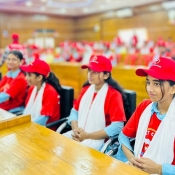
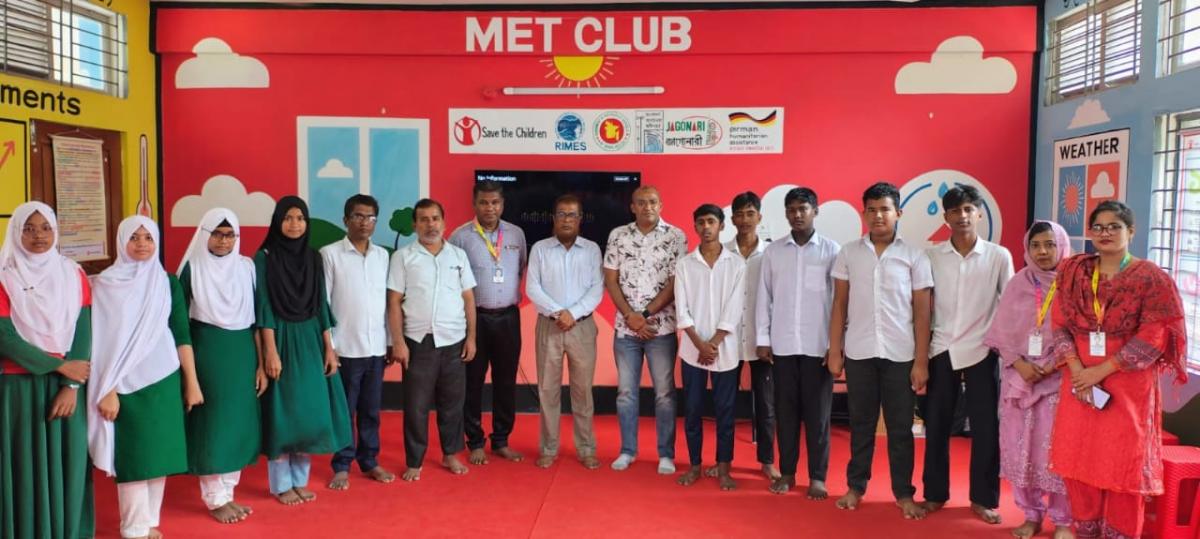
Before joining the MET Club, Nadia knew that cyclones and severe weather could be dangerous, but she had limited understanding of weather forecasts, early warning, impact-based forecasting and anticipatory action. She did not know how information about rainfall, wind or storm surge could help a family make decisions before a disaster occurred. This began to change when she became the captain of the 14-member MET Club at Char Chapli Islamia Secondary School, established through the Child Centered Anticipatory Action project implemented by JAGO NARI, with overall support from Save the Children, technical assistance from RIMES and financial support from the German Federal Foreign Office.
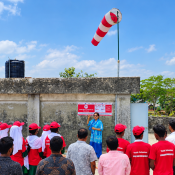
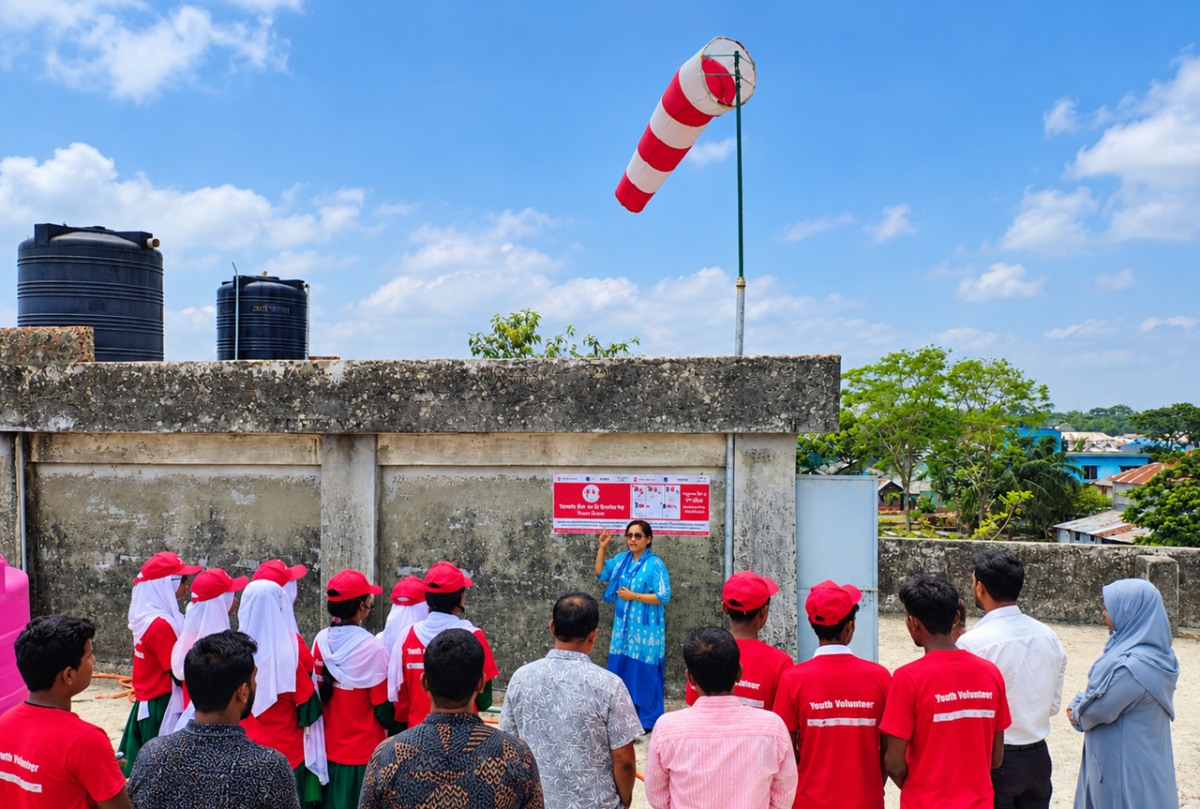
Through MET Club activities and capacity building training, Nadia learned that early warning is not simply about knowing that a hazard may occur. It is about having enough time and understanding to act before the situation becomes dangerous. She received practical training on rain gauge, wind sock and storm surge alarm, enabling her and other club members to observe local weather conditions and measure rainfall, wind direction and understand storm surge related information. Today, they can use these instruments locally and regularly, turning weather information into something they can observe and understand within their own community.
This practical experience also helped Nadia understand the wider system behind weather information. Through exposure to the Bangladesh Meteorological Department (BMD), she learned more about how weather is observed, monitored and forecast and how this information contributes to early warnings. The experience strengthened her interest in weather science and helped her see that the information she receives can have a direct connection with the safety of her own family and community. It has even inspired her to dream of becoming a meteorologist.
“Before joining the MET Club, I did not understand how weather information could help us before a disaster. Now I understand that if we know about the danger early, we can take action before it becomes serious. Through the MET Club, we have also learned about cold waves and heavy rainfall, and we have been able to share this information with our family members and neighbors so that they can be more aware and take necessary precautions.”
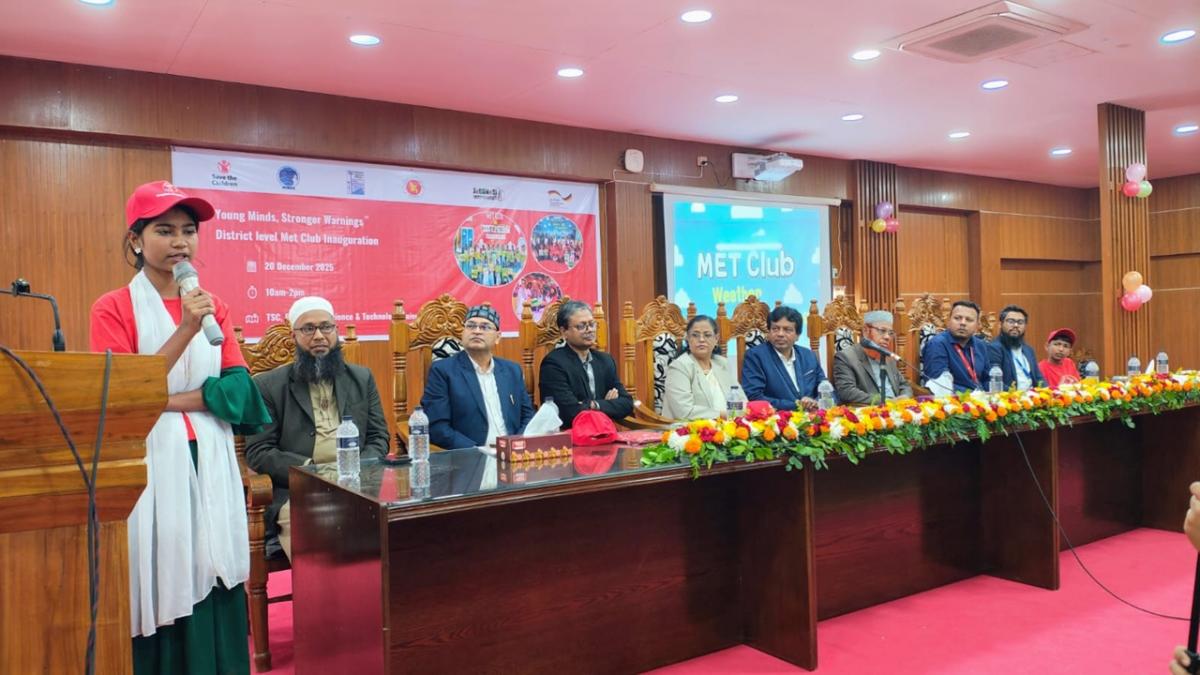
The knowledge Nadia gains is now travelling beyond the school. She discusses weather information and early warnings with her family, friends and classmates and encourages them to think about what they can do before a cyclone, heavy rainfall or storm surge becomes dangerous. Her role as MET Club Captain has also strengthened her confidence, communication and leadership skills. Her participation in capacity building training in Kuakata, the district level “Young Minds, Stronger Warnings” MET Club inauguration at Patuakhali Science and Technology University, the Learning Review and Reflection Workshop at the Deputy Commissioner’s Office and the national launching Programme “MET Club: The Next Way” in Dhaka gave her further opportunities to learn, exchange experiences and represent her school.
For Nadia’s father, this knowledge has a deeper meaning because of where they live. Their home is only about one kilometer from the Bay of Bengal, and memories of past cyclones, including Sidr, remain painful reminders of the vulnerability of coastal families. He believes that access to timely knowledge can change how communities face such moments.
“We live almost beside the sea. Our home is only about one kilometer from the Bay of Bengal. When I remember Sidr, I think about how much we could have done differently if we had known these things earlier. If we had received this kind of training and understood the warnings and what actions to take, perhaps we could have been more aware and better prepared, and could have helped many people around us to take action earlier.”
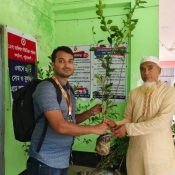
The MET Club is therefore creating a change that goes beyond one student or one school. Children are learning to connect local weather observations with early warning and anticipatory action, while sharing that knowledge with their families and communities. Through tree plantation, Children’s Day activities, awareness initiatives, exhibitions and other school-based activities, they are also developing a stronger sense of environmental responsibility and leadership.
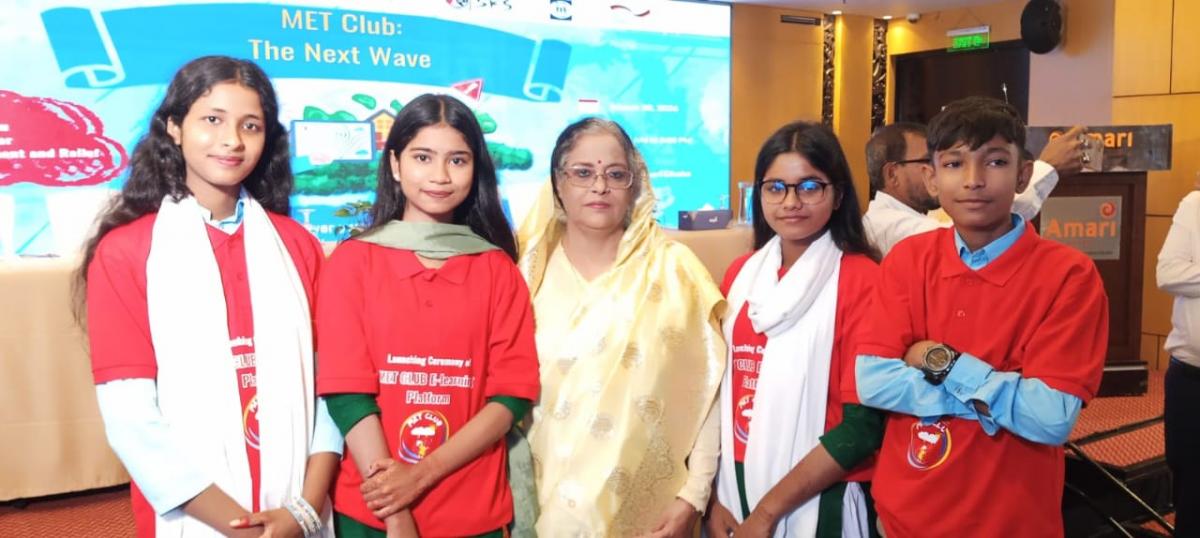
For Nadia, living at the edge of the sea no longer means simply waiting for the next storm. She is learning to observe, understand and act before the danger arrives.
In a community where the sea is only a short distance away, anticipatory action is creating something more than preparedness. It is creating hope through the possibility of acting in time. The sea is still close. The risks are still real. But now, before the wind rises and the water comes, Nadia knows that knowledge can come first. And when knowledge comes first, there is a chance to act.
//JN NewsRoom/07092026//
Published on: Monday, 7 September 2026, 05:49 pm ▪ Total View of this Page: 61