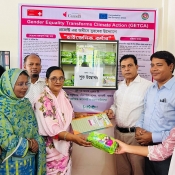


What If the Warning Came Before the Wind and the Water!
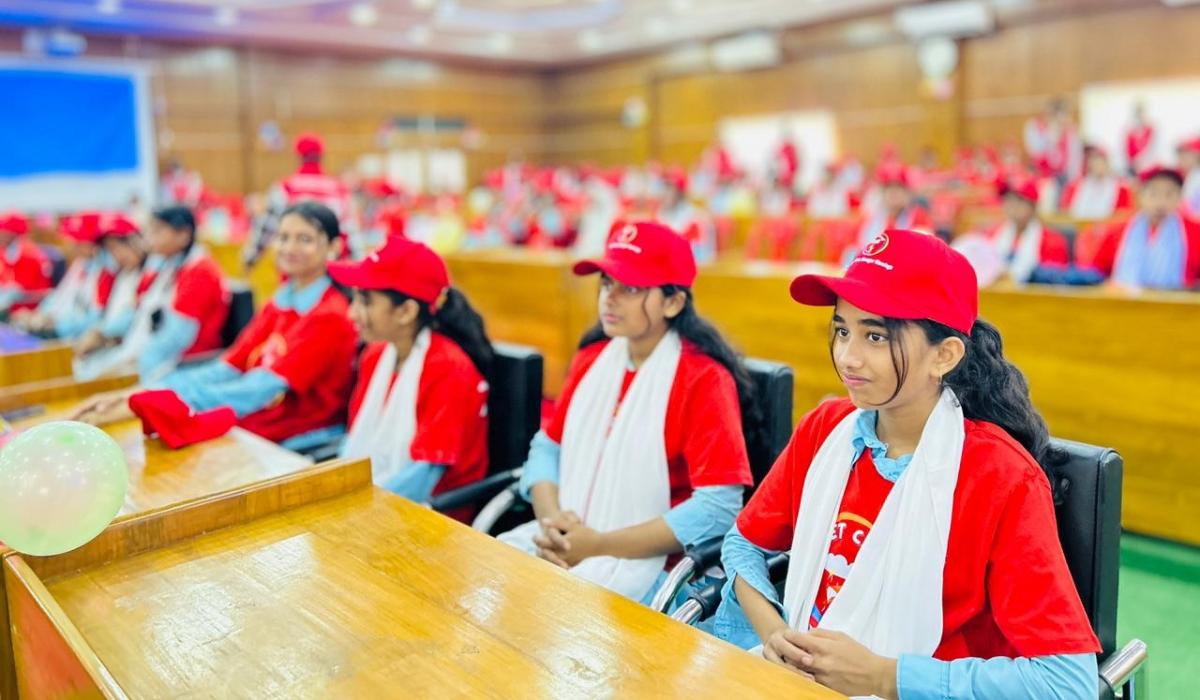
The wind was getting stronger. The water was rising. Somewhere, a family was wondering what to do next.
For families living along the coast of Patuakhali, this uncertainty is not new. Cyclones, tidal surges and waterlogging have repeatedly tested the lives and livelihoods of coastal communities. People know the danger, but knowing that a cyclone is coming is not always enough. What matters is receiving the right information early, understanding what it means and having enough time to act.
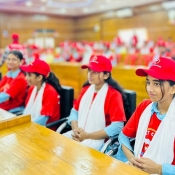
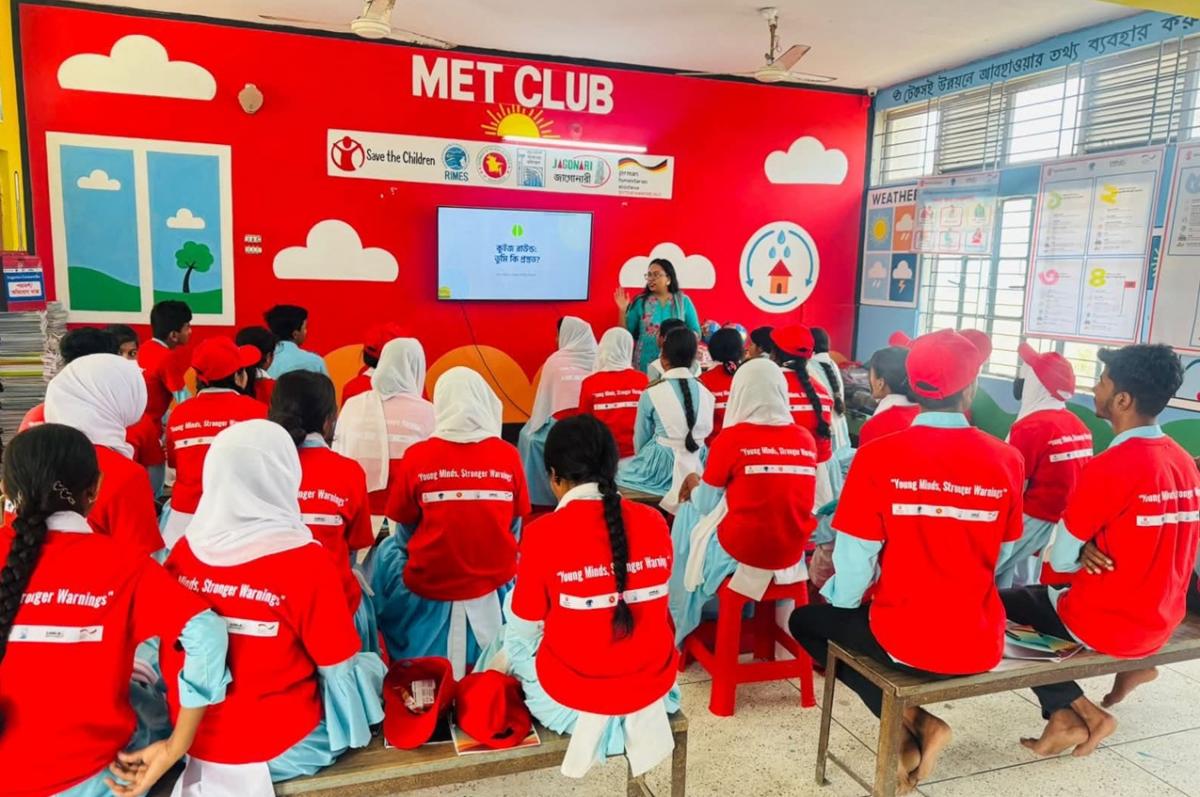
For a group of school children in Patuakhali, this simple idea became the beginning of a new hope: the hope that acting before disaster strikes can help protect lives and create a safer future. Through the Child Centered Anticipatory Action project, JAGO NARI, with support from the German Federal Foreign Office and Save the Children and technical support from RIMES, established school-based MET Clubs to help children understand weather information, early warning and anticipatory action. The approach placed children not only at the center of learning, but also as potential messengers of knowledge within their families and communities.
At Purbo Baro Bighai Janata School and College, the MET Club was launched on 10 November 2025. Fourteen members, including students and school representatives, became part of a platform where children could learn about weather, climate change, early warning and disaster preparedness through practical activities. The learning went beyond textbooks. Students were introduced to practical weather instruments such as rain gauges, river gauges and wind socks. They learned how weather conditions can be observed and why such information matters for people living in hazard prone areas. They also learned about what can be done before a cyclone or other hazard becomes dangerous, turning the idea of anticipatory action from a technical concept into something they could understand and share. Then came an experience that changed the way many of them looked at weather information.
Through exposure to the Bangladesh Meteorological Department, students gained a better understanding of where weather information comes from, how weather is monitored and why forecasts and warnings are important. For children who had mostly experienced weather as something that simply happened around them, this created a new connection between science and everyday life. For some, it even created a dream for the future.
“Before joining the MET Club, I did not understand how weather information could help us before a disaster. Now I know that if we understand the warning early, we can prepare ourselves and help others. I want to learn more about weather and become a meteorologist one day.”
The most important change, however, did not remain inside the school. Students began carrying what they learned back to their homes. They discussed weather information with their parents, explained the meaning of warnings and shared preparedness messages with neighbors. They began to understand that a warning only becomes useful when people can turn that information into action.
A warning can give a family time to secure important belongings, prepare food and water, protect livestock, support children and older family members or move to a safer place when necessary. The MET Club is helping children understand these actions and encouraging them to discuss preparedness before the danger arrives. This has also started to change the way some parents view their children. In a community where adults have traditionally been the primary decision makers during emergencies, children are beginning to contribute through the knowledge they have gained. Their voices are reaching homes and neighborhoods, creating a small but important link between weather information and community action.
One guardian reflected on the experience of previous cyclones:
“We have seen how quickly the water can rise and how difficult it becomes to make decisions at that time. If we had understood these warnings and preparedness actions earlier, perhaps we could have been more aware and better prepared. Now our children come home and explain the warning to us and tell us what we should do.”
The MET Club has also created opportunities for children to develop leadership beyond disaster preparedness. Through Children’s Day activities, tree plantation, awareness sessions, exhibitions, writing and drawing competitions and other school-based activities, students are building confidence, teamwork, communication and environmental awareness. What began as a lesson about weather is gradually becoming a lesson about responsibility.
Children are learning that they do not have to wait for the wind to become stronger or the water to reach their homes before thinking about safety. They can listen to information, understand the warning, discuss it with their families and encourage others to prepare early. In a cyclone prone coastal community, this is more than knowledge. It is a change in mindset.
The question that opened this story was simple: What if the warning came before the wind and the water? Through the MET Club, children are beginning to show what could happen when it does.
The warning comes first. Knowledge turns it into action. And children are helping carry that knowledge home.
//JN NewsRoom/07092026//
Published on: Monday, 7 September 2026, 01:11 pm ▪ Total View of this Page: 81